Search

Happy. Healthy. Heathen.

Traveling, training, thinking, talking, typing

Category

secularism

Community

I credit evolution.

My kids get tired of my constant reference to it, but I think we can learn so much from our evolutionary heritage.  I’m not a scientist, so all of this is amateur, but I’m learning how to apply what evolution can teach us now.
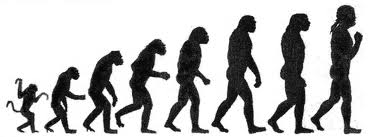
About 10 years ago, when I started on a journey to regain my health, I discovered information that allowed me to do that.  I began to study metabolic science, nutrients, human anatomy, and what that information can tell us about what to eat and how to move.
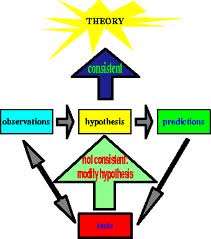
Because I chose law school over medical school, I had to learn how to learn science, starting with formulating a hypothesis, studying the process, studying the data, in this case applying it personally (n=1), and seeing if the hypothesis holds up.  So here I started with the hypothesis that maybe we should eat like our ancestors ate, since that seemed to have allowed them some survival advantage.  I’ve written a whole other blog about all of that; I mention it because it’s the method I’m going to use for this next topic.

Back to evolution.  As I study anthropology and what our societies were like before we embraced agriculture, which seems to be a real change in our history, I’m finding that we lived in small, cooperative communities, pooling resources, celebrating together, grieving together, raising children, struggling to understand our environment, finding ways to protect ourselves from the environment and predators.  Almost all of these societies, across the globe, had myths and tales about origins of the world, explanations for natural phenomena, and rituals for birth and death.  As Americans, our particular pedigree comes from the Abrahamic line, and those rituals and rules over the years have become manifest in contemporary Christianity.   The church has provided a place for gathering, to worship, instruction, support, a common agenda – all sating very primal needs.

Sometimes in my discussions with believers, the topic veers from the validity of religion to the usefulness of religion.  I absolutely believe that religion can be useful; this blog is about just that.  I also believe that its usefulness has no bearing on its truthfulness (please tell me I just invented that phrase).

As I attend secular conventions (AA in April, TAM9 in July, Skepticon 4 in November), and as an avid blog reader, and new activist, I have made the following observations about the secular community:

1.  We are intellectuals.  We can blog the hell out of any topic, including, but not limited to, gelato.  We love the process of language, we love words, we have a unique ability to explain our position, and, thanks to the interwebs, can back it up with citations and references.

2.  We own the internet.  No shit.  It is the single most effective reason atheism is experiencing the growth it is – even evangelicals are acknowledging that.

3.  The future of the movement is in the hands of college students – not individual, identifiable people, but as a demographic.  It’s the perfect window of age to be free from familial obligations of church attendance and exposure to a broad base of philosophical and social input, yet young enough not to have established personal habits of faith and superstition in their own new families.

4.  We are young and we are old.  It seems that, both through the blogs and attendance at conventions, that we are comprised of youngs (18-25) and olds (50+).  It’s not that we don’t have the middle folks – in my own local group that’s actually a large percentage of our number – it’s just that that group is busy with career and spouses and children that the youngs and the olds don’t have.

5.  Community.   Online: we have it in spades.  Every support group you can imagine – recovering fundamentalists, ex-Mormons, secular parenting.  Flesh and blood: not so much.  We’re working on it, and we’re getting better at it, but we’re no match for churches.  I think that that sense of community, rather than a devotion to the faith itself, is what keeps a lot people in church.

As our evolutionary history tells us, we are social beings.  We need to feel included, but individual, protected but not restricted, part of a group yet independent.  The contemporary church has provided its version of that; I think the secular movement can do at least that, and even do it better.

My local group of seculars (hereinafter known as: the posse) is heavy on the very group I say the movement as a whole doesn’t have:  young adults with families.  There are couple of us oldies, and the ubiquitous college agers, but we’re lucky enough to have several young couples and their beautiful, freethinking young children.   Which finally brings me to the point of this post:  my scheme to take over the world social experiment.

Our posse, instead of just hanging out and sampling the finest hops our town has to offer, is going to add a bit of intention to our efforts.  We’re going to try to make our get-togethers a smidge more family-friendly:  choosing restaurants that are easier on the wallet, more conducive to child palates (notwithstanding my moratorium on Chuck E Cheese), parties where the children are accommodated with caretakers (perhaps education majors from our local university?), scheduled activities that work around school nights and bedtimes, service projects in which entire families can participate.

So stay tuned for updates — right now I’m on my way to a New Year’s Party with said posse – best wishes to all for 2012!!

Happy Saturnalia! Festivus! Christmas!

Ok, ok, I’m listening.  And reading.  And paying attention.  When enough of you ask the question, or make the comment, I get it.  That’s one of the best parts about having a blog; the opportunity to clarify, explain, and answer!

Christmas without religion.  I don’t know if it’s really that hard to comprehend, or if it’s simply too disturbing and uncomfortable to even contemplate.  Several people have asked, with differing levels of hostility, why I have an interest in celebrating Christmas.  My first inclination is to ask them what specifically are their Christmas traditions, and how do those traditions relate directly to the celebration of Jesus’ birth?  Let’s take a look…

Is December the 25th the actual anniversary of Jesus’ birth?  What information do we have about this?  Just a little research will reveal that even religious leaders acknowledge that it is highly unlikely that the date Christians celebrate as the birth of Christ is the date we know now as December 25.  However, let’s just assume for argument’s sake that we’ve simply agreed to celebrate it on this day.  But why did it get “implanted” here?  Why late December?   The pagan Roman emperor Aurelian had proclaimed December 25th as the birth of the invincible sun-god Saturn.  Christianity cleverly and strategically had begun supplanting pagan celebrations (see Easter) in an effort to “facilitate conversion”, and viola!  Merry Christmas!  In fact, there are some Christian faiths who choose to de-emphasize the celebration of Christmas altogether, basing that on admonition from the scripture not to participate in pagan festivals.

Christmas trees and greenery?  That’s an old Nordic tradition celebrating those evergreen and holly trees, with their lovely red berries, which keep their beautiful color even in the depths of winter.  I’m old-school, and will only be happy with a live tree; my mother and brother both have perfectly gorgeous fake trees, so the debate continues year to year.

Santa Claus?  That’s about as secular as one can get!  The patron saint of children, Saint Nicholas, whose day was designated as December 6, traditionally gave children gifts.  The poem by Clement Moore added to the image of the jolly old elf.  Again, many believers choose to downplay this beloved tradition in an attempt to be less confusing and more honest with their children about things that are make-believe and things that are real.

Stockings by the fireplace?  Another old European tradition about the Norse god Odin’s flying horse.  During the Yule festival, children would put carrots, sugar, and straw in their boots, and leave them by the fireplace for the great Odin’s horse.  In exchange for this kindness, Odin would leave the kids candy and treats.  In our house, the kids could retrieve their stockings before daylight, but had to wait til dawn to come wake us up for presents.  Most years, this was after our having stayed up til 3 or 4 am assembling some toy or another.  Another Christmas tradition in our house was Christmas day naps.

Family gatherings, food, singing songs?  As an end-of-the-year celebration, many people have time off and choose the recognized holidays to renew family ties.  Sometimes that includes attending church services, and sometimes not.  Schools are traditionally closed, allowing college students the chance to go home and see their parents and siblings.  Special and celebratory foods go hand in hand with this, as does game-playing, song-singing, laughing, talking…well, that’s how it is in my house!  Our favorite holiday foods – dark chocolate walnut fudge, boiled custard made with fresh eggs, sausage and cheese balls and gooey yeast cinnamon rolls on Christmas morning.

Gift-giving?  I believe that’s as old as mankind itself.  The tradition of expressing gratitude, or love, or affection through the exchange of gifts is carried on even now; the wrapping and decorating are an expansion of that.  We all know that we’ve taken this too far in our society, and have overcommercialized that aspect of the holiday, but it’s still integral to the season.  My go-to is always books, books, books, but I always get a little something sparkly for my precious mother.  And get this, my dad’s birthday is December 25, and I really do go to the trouble every year of getting him 2 gifts, and wrapping one in non-Christmas paper!

As for me and my family, our Christmas traditions now are almost identical to the traditions we observed when we were believers, leaving out only attending the Christmas services at the church.  We do a lot of eating/cooking/baking/drinking, a lot of game-playing (this year’s favorite is Apples to Apples), a lot of talking and laughing and gift-wrapping and arguing and debating, some movie watching, hiking on the farm, gathering old friends, and this year, a lot of relaxing post-finals, as my kids and I are all in school, save our one graduate intern.

Our unique traditions include:

A psycho collections of nutcrackers that is WAY out of control.  It started when the kids were little, and has grown to over 100.  Son Sam gets devious pleasure out of “reorganizing” my display by having them all turned to face the wall, or all turned to face each other, or hiding in my cabinets looking at me when I open the door.

Also, this truly bizarre assembly:  we have recently added this very unconventional (surprise) and darkly interesting event.  The kids and I share with one another our annual memorial plan update.   Yes, that memorial plan.  How we wish to be memorialized when we die.  We add some ghoulish delight by making it a drinking game (you’d have to understand my brilliantly quirky kids).  We end the affair by expressing yet again our love for one another, and our humble and profound appreciation for every single breath we draw in this, our one and only life.

So, that’s what Christmas means to me.  And I’m going to go out on a limb here and guess that most believers participate in the same traditions as I’ve just described here.  If you want to put religious significance into this celebration, enjoy!

I’ll end with my favorite Christmas song….ever.

Best of the season to you and yours!

Thanks for reading!

Don’t call me blessed

As with so many other bloggers with whom I interact, and whose blogs I read, I am, even if subconsciously, always on the lookout for topics about which to blog.  I hesitate to write that, because I don’t ever want my friends and family to think they can’t talk to me about a particular subject because I’ll then write about it.  But so many interesting conversations come up on a daily basis that I want to put down to the 21st century version of pen and paper, the keystroke and data.  I promise that if I blog about something we’ve talked about, I won’t identify you unless I’ve asked you for your permission.

So…I had a conversation with a friend recently, about thankfulness, and the idea of blessings.  I’ve just written a  post about being thankful, without having an entity to thank.  My friend is a believer, and our discussion was about how he felt that all those things for which we are grateful were actually blessings from God, whether I acknowledged that or not.

What followed was a discussion about why God would choose to bless certain people with so much, and keep any blessings from the vast majority of others (say, most of the continent of Africa).  Most of the world does not have clean water, or enough food, or safety.  He said that sometimes God blesses us because we’ve been faithful, and sometimes he blesses us because it’s a part of His plan that we don’t understand, and vice versa – that sometimes we lose things because we’re disobedient, and sometimes we don’t understand why because we don’t understand His plan.

I asked if He thought God’s plan included any compassion on the part of God.  Why, whatever His plan may be, allow children to be born into starvation, in a war-torn country, to suffer for 5, or 6, or 7 years, witnessing death, feeling pain, to die a horrible death – whatever could God’s plan be with that kind of misery, multiplied by the thousands?

He hesitated, but then concluded that maybe all of that suffering was a way to get the attention of each of us, individually, to turn to Him.  This is not an immoral man.  I think because he’s heard this his entire life he’s accustomed to how it sounds.  It was not unfamiliar to me, as a former believer, and yet even only a few years away from the faith myself, I was utterly horrified at hearing him say this.  I asked if I could repeat back to him what I heard him say.  I described what life could be like for such a child, the things she might see, and feel, the pain, the agony, the absolute and complete suffering, all to get me to talk to God?  When He could, in the blink of an eye, say that to me Himself, and save this child, and thousands like her, from this fate?  I don’t know if I tried if I could come up with a more blasphemous thing to say.

He backpedaled and said he reconsidered.  He said no, maybe that was not the reason.  He’s imperfect and he should have thought a little deeper before he answered.  He said what he should have said was that, no, God did not do that.  God was only the author of all things good, that the evil and suffering in the world were the work of Satan, and sin.  This “metaphorical child” (yes, he said that) was in pain and sorrow because Adam had originally sinned, the world became imperfect, and evil came into the world.  Now she suffers because of that.  I pointed out that that was really a variation on what he had just retracted.  Could God or could God not intervene and alleviate this child’s suffering?  Yes, he said, He could, but He just chose not to….right back to getting our attention through the suffering of this child.

He reconsidered again, and said that he thought he could express it best this way.  God knows ahead of time how to get the most people to turn to Him, since that’s what he wants from every single person on the planet.  It hurts him to see suffering, he doesn’t want those people to suffer, but in the aggregate, that’s the way to get the most “bang for your buck” (my words, not his).  I think he took my stunned silence as acceptance of his position.

Of all of the reasons I push back against religion, this is probably the one that motivates me the most.  This is a good man, a moral and loving husband and father.  I think his compassion lever is malfunctioning, and it’s malfunctioning because he has had a lifetime of having to justify the unjustifiable, to moralize the immoral, to accept the reprehensible.  The Bible does tell about God’s judgement and wrath and killing and destruction to achieve his means, very clearly, and in numerous places.  Believers are left having to “do” something with all of these passages.  And that something fucks up the system.  Our natural compassion is blunted.  When a tsunami kills thousands of people, and it’s a given that God is in control of the tsunami, we have to come to terms with what to do with that information, and we push it and shove it and hammer it in, until the workings of an imperfect but highly functional biological, social, and psychological system of care and compassion are skewed beyond recognition.

Life is random.  And unfair.  And sometimes we get the good stuff, and sometimes we get the bad stuff.  There are things we can do to affect our fortune, for the good and bad, and there are things we cannot effect.  The danger with thinking that the good things in your life are there because God loves you so much, is the unspoken implication that the bad things in someone else’s life are there because God doesn’t love them quite so much.  And if God doesn’t care about them, maybe we don’t have to either.  My friend tried to back away from this, and stepped right into the next steaming pile of poo with his argument about God’s plan.

The problem of suffering.  Think.  Think again.  Then think again.  Just don’t call me blessed; I want no part of it.

Thankful without a “To”

Good to be back, dear blog.  My bad.  More promises I won’t keep about blogging more regularly and all that.  I hope that my excuse of studying for a final that covers an entire year of law school is if not acceptable, at least understandable.

My Thanksgiving post has been, as former GOP candidate and excuse-generator extraordinaire Herman Cain said, “twirling around in my head” for almost 2 weeks now.  And now that I am afflicted with the I-can’t-sleep-for-worrying-about-my-test syndrome, I find myself with the opportunity to write it.

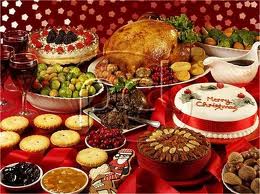
I had a delicious and delightful season of Thanksgiving.  I was able to share it with my daughters and SO’s in Johnson City, TN, where one of my girls lives and learns.  The weather cooperated beautifully, even to the point that we were able to have our feast in the afternoon sun in the backyard, complete with the ubiquitous Boo under the table.  Our food was traditional, save the English marmalade gravy contributed by our very own royal subject, and Glenda’s squeeze, Sam.  The food was scrumptious, the atmosphere intoxicating, the conversation stimulating, and the moment unforgettable.

shamelessly stealing from Google, because epic fail at picture taking myself – our picnic looked a lot like this

There are times, as I’m sure everyone has, when I am so moved by a moment, that I am not only rendered speechless, but physiologically affected with breathlessness and tachycardia.  I have more of these moments in the presence of my children that at any other time.  Thursday was just such a day.

We had enjoyed the usual routine of the pre-preparation activities of grocery shopping, about a half-dozen of us in the store to accomplish that task, and had enjoyed the bawdy hilarity of that spastic chaos.  Then the next day we enjoyed the full day’s preparation of chopping, and stirring, and baking, and sipping, and mixing, and tasting, and hauling the table and chairs to the yard, and carrying the wine and dishes and glasses and flatware until finally it was time to feast.

I’m one of THOSE moms.  I had insisted everyone write a haiku as our pre-meal reflection.  Each of us read another person’s, and in those haikus, some reverent, some not, all creative, as we raised our glasses in toast to gratitude itself, I had my moment.  Looking into the faces of these profoundly important people, I was overwhelmed with how absolutely and completely fortunate I am and have been.

First, to have been here at all.  Of all the millions of biological combinations that could have been at the moment of my conception, and it was my particular egg and sperm, in this country, at that moment, to those people.  To have had the opportunity to have the education I have had, with that family and those friends, the travels I have made, the relationships I’ve been part of, the health I’ve experienced, culminating 51 years later in a sunny backyard in Tennessee with these beautiful people, that wonderful food, in this spectacular country, in this unique time.

same girls, different picnic – epic photo fail, ‘member?

I have always had a recognition of how very fortunate I have been.  When I was a believer I attributed it all to God, and often said a prayer of thanks; for a god who could create universes and intervene in physics and change weather, my little life, while important to me, was not a nanosecond’s work, but I was grateful nonetheless.  As an atheist, who holds no belief in divine intervention, I am utterly astounded at my good fortune.  Daily.  Hourly.  By the second.

My believing friends comment pretty regularly to me that this is a piece of my non-faith they do not understand, this disregard of blessing.  Do not misunderstand me.  My variance with you on the source of the joys in no way detracts from my gratitude for it; in fact, it substantially enhances it.  I remember visiting Arches National Park years ago as a Christian, being moved by the beauty of it, thinking how wonderful it was for God to have simply created it, in the blink of an eye.  Looking at the same view with the eyes of a secularist, processing the years, and forces of wind and water, and effects of gravity and physics, left me silent with deep wonder and awe and respect.

I close with my haiku, which I suppose I could have substituted for this entire post:

Thankful, but to whom?

No, not “To whom?” but “For what?”

Family, life, love

And, as always, in the spirit of gratitude, thanks for reading!

My trip to the Creation Museum

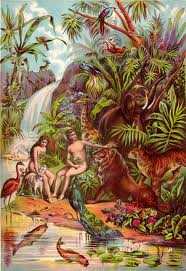
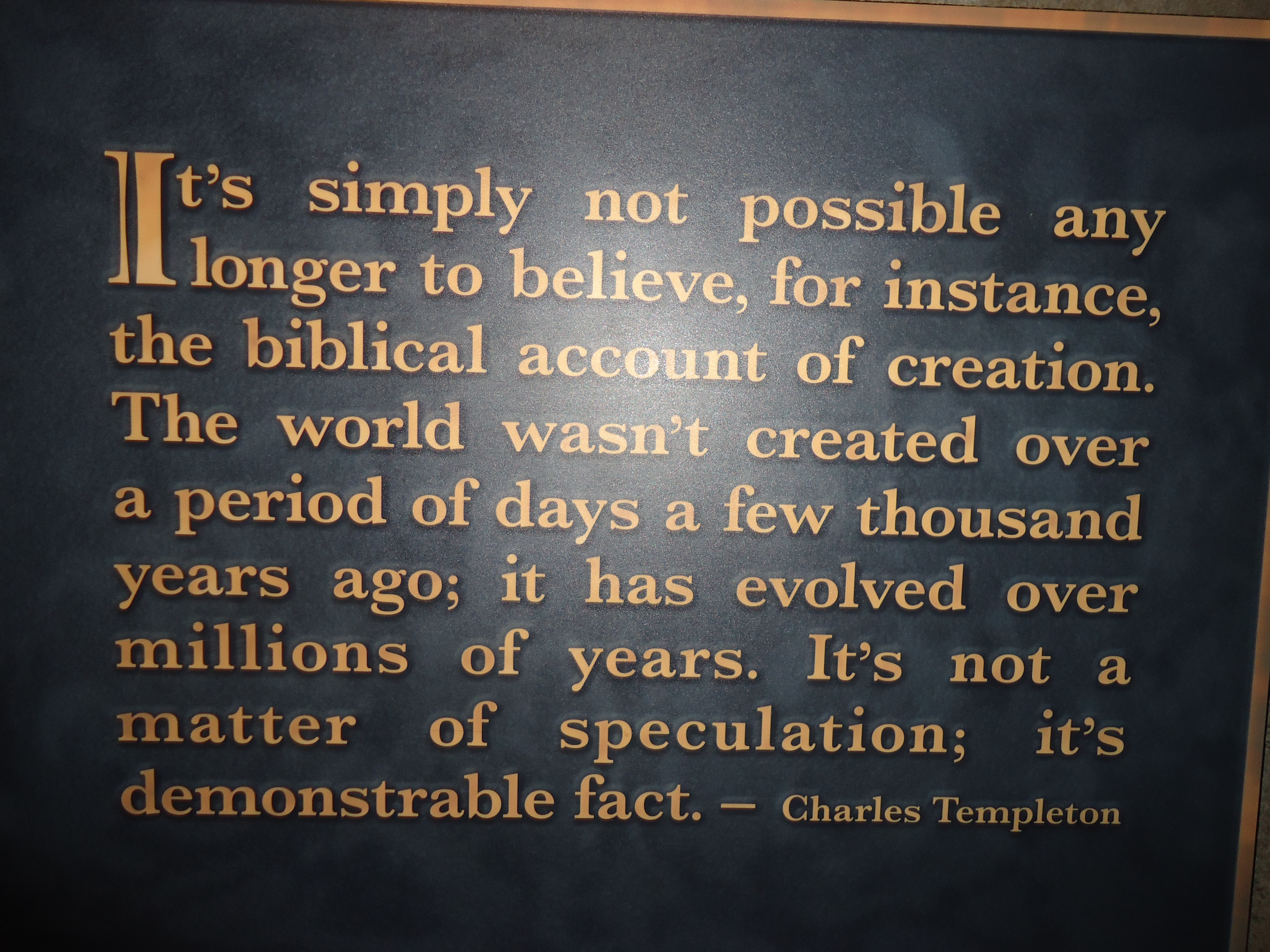
This long quote is by Albert Mohler, the president of Southern Seminary.  In a delicious twist of irony, I disagreed with this position when I was a believer; now that I am an atheist, I find myself agreeing with Dr. Mohler:

“From the beginning of this conflict, there have been those who have attempted some form of accommodation with Darwinism. In its most common form, this amounts to some version of “theistic evolution” — the idea that the evolutionary process is guided by God in order to accomplish his divine purposes.

Given the stakes in this public controversy, the attractiveness of theistic evolution becomes clear. The creation of a middle ground between Christianity and evolution would resolve a great cultural and intellectual conflict. Yet, in the process of attempting to negotiate this new middle ground, it is the Bible and the entirety of Christian theology that gives way, not evolutionary theory. Theistic evolution is a biblical and theological disaster.

….

Thus, the vise of evolutionary theory is now revealing the fault lines of the current debate. There can be no question but that the authority of the Bible and the truthfulness of the Gospel are now clearly at stake. The New Testament clearly establishes the Gospel of Jesus Christ upon the foundation of the Bible’s account of creation. If there was no historical Adam and no historical Fall, the Gospel is no longer understood in biblical terms.”

(Emphasis mine, entire text here.)

When I was a believer, I chose not to take a position on the evolution/creation debate.  It created internal conflict for me, it wasn’t relevant in my life, I didn’t know what to do with it, so I simply didn’t address it.  (I know, right?)  I do not believe I was the only Christian who felt this way.  Which is what Dr. Mohler’s first two paragraphs are referring to.  “Theistic evolution” is such a comfort for moderate, modern, science-minded, reasonable, rational Christians.  However, come along on a little virtual field trip with me and see how very very far from that position a portion of the believing population is.

Gayle’s trip to the Creation Museum, Hebron, KY, October 17, 2011

Here I am, right outside of Cincinnati

I attended the Free Inquiry Group’s 20th anniversary meeting in Cincinnati, Ohio.  I posted about the events of the first day, and I’ll throw in a bit more about the second day in this post.  It was delightful and stimulating and inspiring; exactly what I’ve come to expect from a secular gathering!

In particular, on the second day, we listened to Rabbi Robert Barr, who gave a presentation on the Creation Museum.  I’ve been interested in this since it opened, enjoyed the coverage given to it in the movie Religulous, and was riveted to Rabbi Barr’s description of it.  In addition to that, it was 10 minutes outside of Cincinnati; of course I had to go.

In the parking lot on the way in

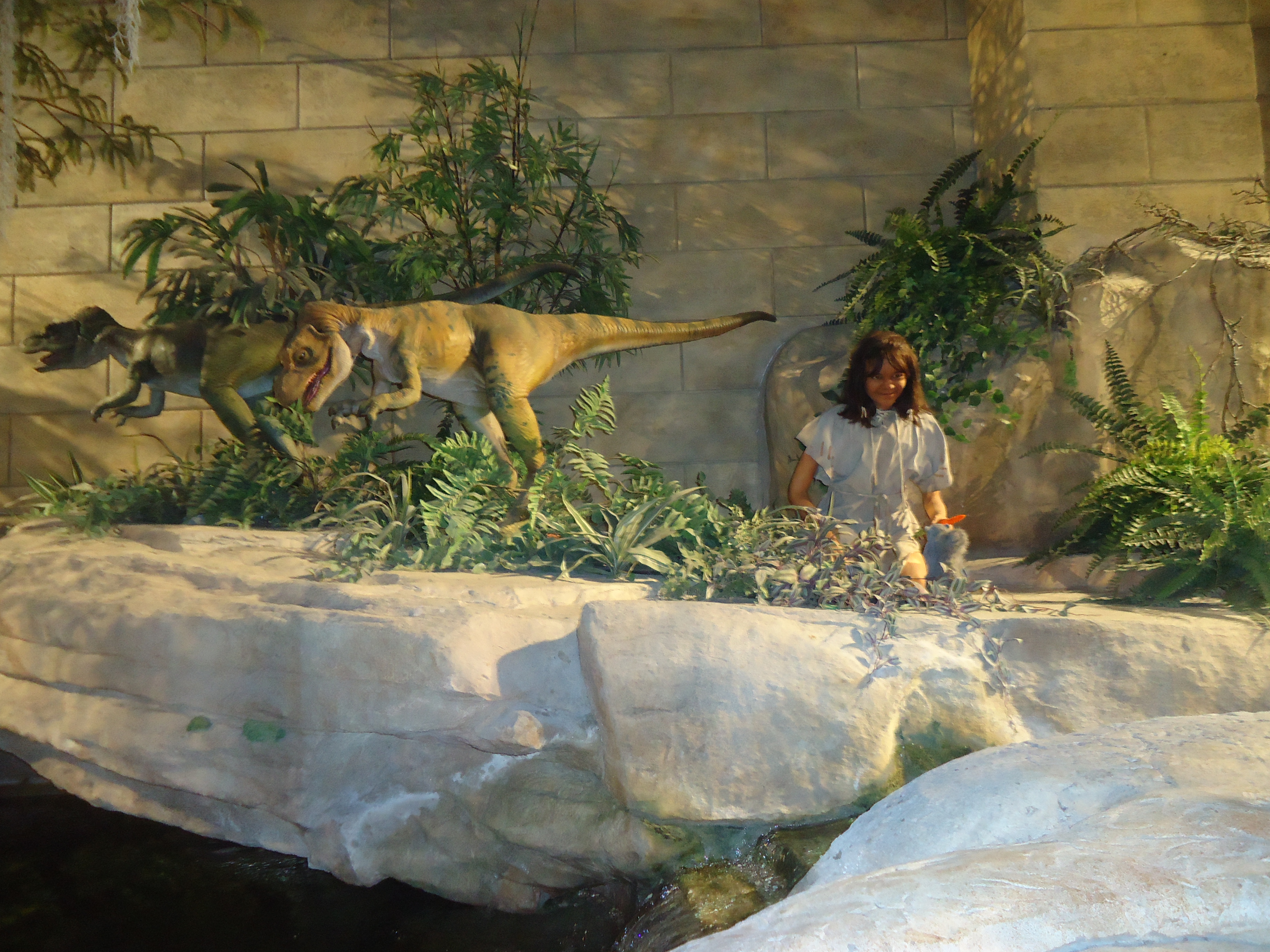
The structure is beautiful – expensive stone, spacious and open lobby, friendly staff.  The first thing you notice is all the dinosaurs.  Dinosaurs at the entrance, dinosaurs in the foyer, hanging from the ceiling, on the program, on the ticket.  These people want you to know that they believe in dinosaurs!  Why, here’s one right here…

…beside this child.  This human child.  This homo sapiens, Paleolithic Era child.  But They Believe In Dinosaurs!  They only missed it by a few million years.  About 230 million.  And how do they explain that?  How to explain the fossil record?  Just listen in to these two scientists discussing their discovery:

animatronic archeologists

“Different conclusions based on where you begin.  If you begin with the bible, you end up with a different conclusion.”  Boy, howdy.

It’s not really any more complicated than this

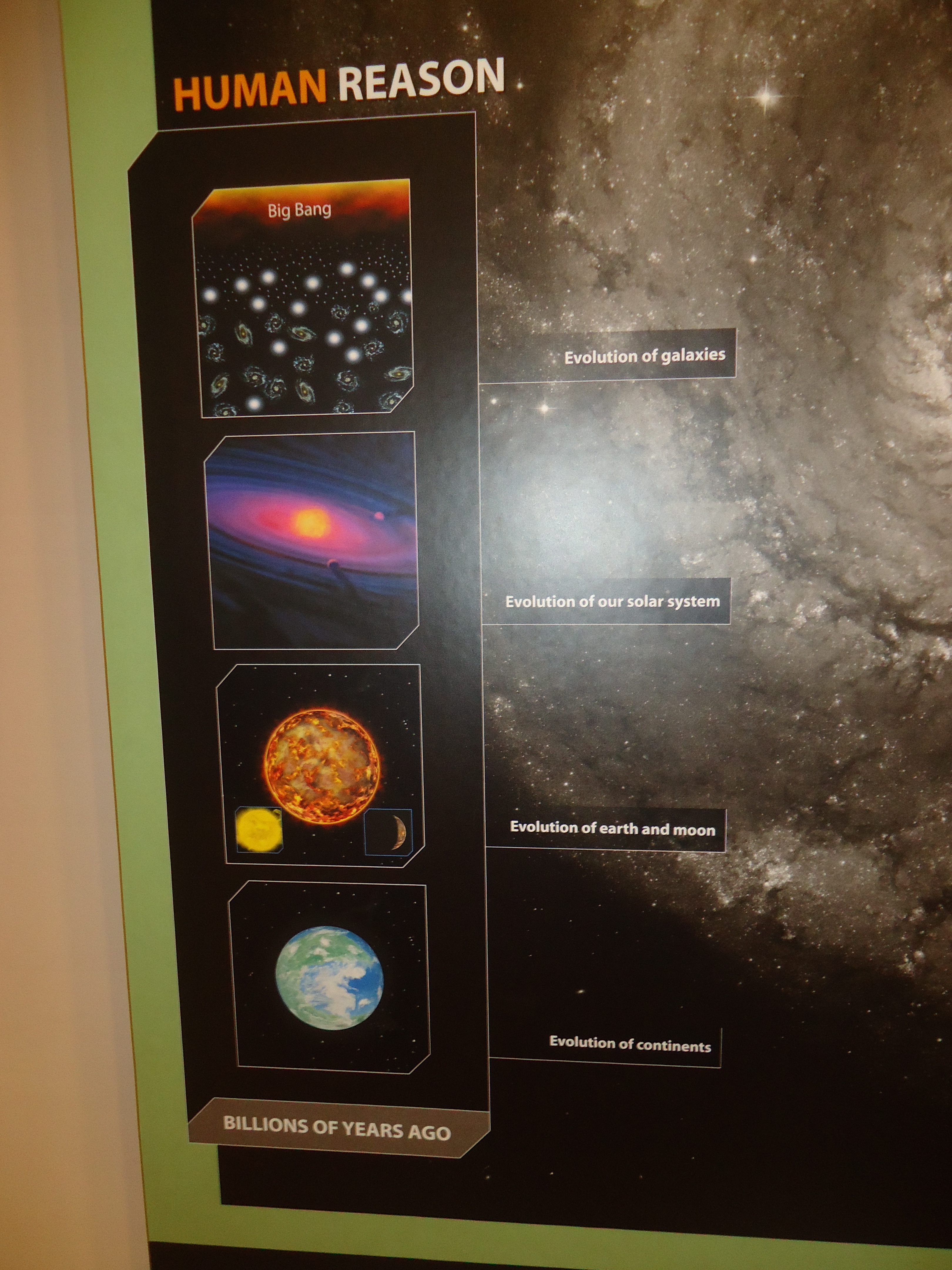
Rabbi Barr said that his impression of the museum is that it is a sermon.  And not just any sermon.  A children’s sermon, with a children’s premise:  The Book Says So.  There is very little science in this “museum”; just a lot of pictures of good, happy images labelled God’s Word versus negative, bad images labelled Human Reason.

Represent
Guess who?
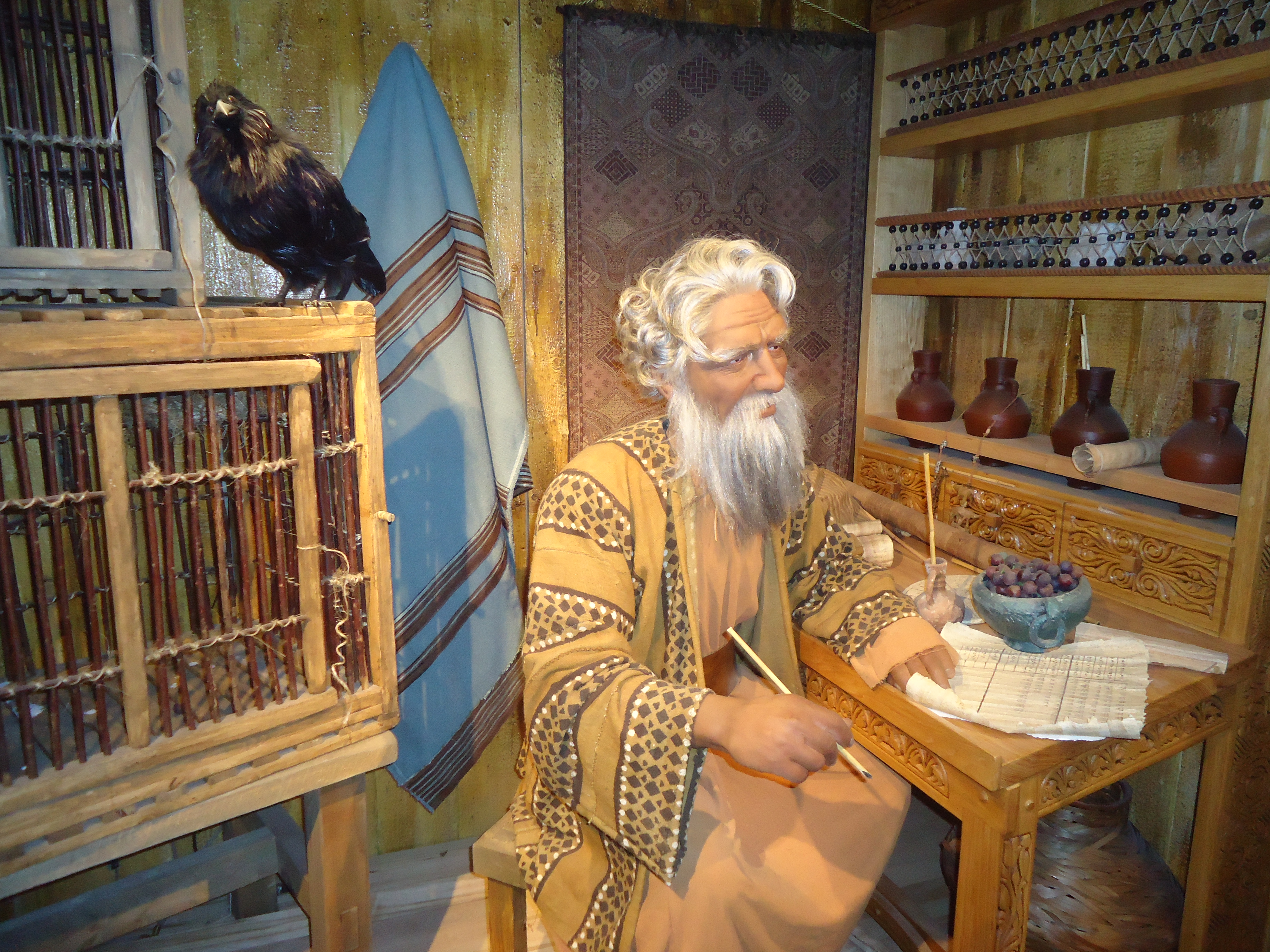
Noah looks good for 600 years old

The story of the flood is as important to the story as creation itself.  There are a lot of panels about how the flood fits in to modern science – both Pangaea and the Ice Age occurred after the flood.  There are thousands of pieces of evidence from thousands of scientists and researchers that disprove this, but remember, all of the panels refer you back to The Bible Said So.

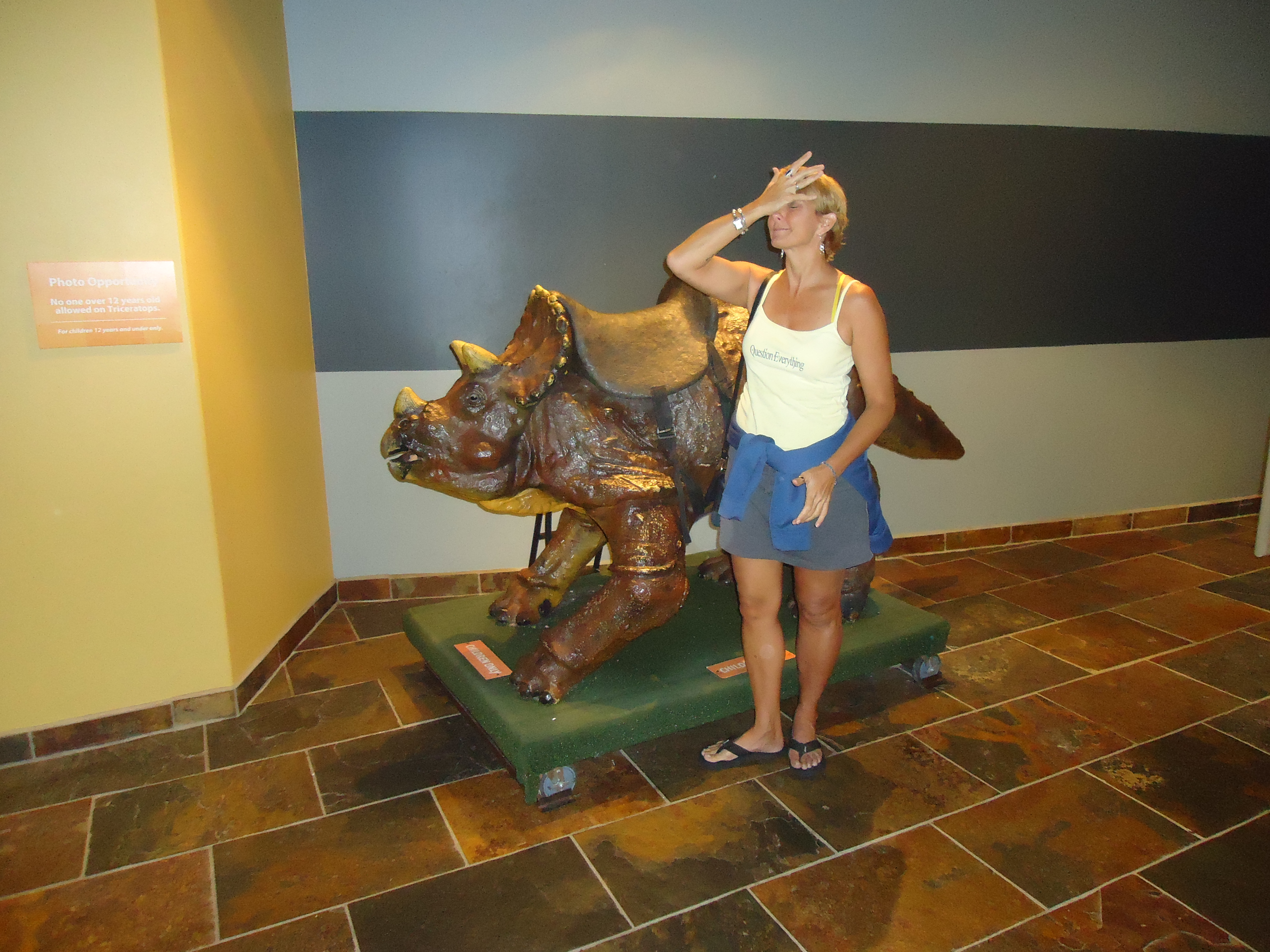
I call this shot: Saddled Triceratops Facepalm

Do I still think there is room for Theistic Evolution?  I think it’s better than embracing no evolution at all; I even think it’s where most believers would land if asked.   Do I think you can have the idea of Jesus and salvation and redemption without the fall of man in a literal sense?  It’s not an argument I would like to spend one more moment of my life thinking about and trying to make sense of.  Establish the veracity of the book; then we can discuss the contents.

Get one now for the impressionable children in your life!!

Thanks for reading.

The Fitness Post

How Finding my Fitness led to my Atheism

or

How Finding my Atheism led to my Fitness

(This was a guest blog for my friend JT Eberhard, who resides at Scienceblogs.  The “everyone” in the first line was directed at his atheist readers, as that was the context in which this was discussed and then written.  I’ve written about this before, but never all in one post…so….here it is!)

Everyone of us has one of these stories.  Everyone’s is interesting, and everyone’s is different.

It gives me joy beyond measure to recount mine.  It may seem like I’m taking license to have the two branches of my story to run so parallel, but it only seems unusual now, after the fact.  At the time, it just happened.

In 2000, I turned 40, mother of 4 teenagers, active in church and community.  I was also active in my Southern Baptist Church, a Sunday School teacher, Missions Director, and committed to the faith.  And 60 pounds overweight.

The evening of my 40th birthday party, surrounded by friends, I came to the conclusion, which later I began to describe as an epiphany:

That the first 40 years of our life, we can treat our body pretty brutally, and it will respond, for the most part, to the demand; the second 40, however, are quite a different story:  we have to treat our body with deep respect and reverence in order for it to respond to the demands of life.

I had attempted diets before, lost a few pounds, then, ad nauseam, reverted to old, comfortable, established habits.  Walking into the bookstore left me more frustrated than helped, facing the wall of books in the Health/Fitness section, some of which were in direct opposition to the one right next to it.  Fuck that.

This was in the year 2000, when the internet was a toddler, and I spent hours at the public library looking up nutrition information, going directly to the study when I could.  I don’t have a medical background, or even a degree that was heavy in science (education), so I had a lot of remedial work to do.  Maybe that even worked in my favor since I had to start from scratch understanding human anatomy, physiology, metabolism, nutrients.

For two years I applied what I learned to my routine, tweaked, applied, and tweaked some more.  I lost 60 pounds, and became so interested in and excited about my new lifestyle I became a trainer to try to help others struggling with health issues.

Clipboard: yes. Whistle: not so much.

Parallel to this information-gathering, exercise-implementing, nutrition-experimenting journey was a gradual, slow, dawning of realization relating to religion.  While I had never been an actual creationist, I was a believer of the Bible, an advocate of a personal savior, even a teacher in my church.  My view of the beginning of human history was that whether it was Eden or evolution, Goddidit, and resolving the particulars was irrelevant to me.

As I began my study of nutritive science, however, I found that I needed to study our human anatomy and physiology to make sense of the process.  That in turn led me to study our evolutionary heritage:  what were we to eat to make us truly thrive?  What had we eaten for the thousands of years that we did thrive?  While the answer was simple:  whole, unprocessed, fairly accessible natural foods, the implication was greater.  Evolution was an absolute, undisputed by any scientist, and the evidence was abundant.  Hmmmm.  Not a show-stopper for the faith, but certainly a proverbial chink in the wall.

I visited Christian apologetics sites and read several books trying to reconcile my new acceptance of evolution with the broader picture of my faith.  I knew there were Christians who accepted, even embraced evolution, and I was eager to understand how I was to do this.  It was completely contradictory to the version of humanity’s beginnings in the Bible.  The general explanation was that the events that occurred in Genesis were “poetic”, not literal, that they were representative of God’s relationship to us.  Hmmmm.  Again.  My next question was:  When did the poetry end and the reality begin?  Noah?  Abraham?  David?  The apologists diverted at this point:  some said that during the course of evolution when we became modern humans, the history then became literal.  Some said that the poetry continued through most of the Old Testament.  But most certainly they all agreed that when Jesus entered the picture, why then it was all literal.

Or.

Not.

The brevity and simplicity of the paragraphs above belie the drama and torment of the process.  In sharing stories with other atheists, I have heard from former believers who left the faith kicking and screaming, who begged God for a word, who didn’t want to be atheists, who fought for years against acceptance of the truth.  While mine was not quite so vehement, it was painful, it was sorrowful, it was traumatic, and it was humbling.  I had to grieve anew those folks I had only said goodbye to “temporarily” – my grandparents, some friends.  I had to recollect every Sunday School lesson I had ever taught with confidence and arrogance.  I had to grasp the separation this was going to create with my already fractured extended family.  I had to reevaluate my morality.  I had to redirect my compassion and drive and creativity and time that for years and years I had devoted to my church.

But do not misunderstand me.  Although the journey was unnerving and unknown, it was thrilling and exciting and liberating.  My 4 teenage children had been making journeys of their own in the same direction, and we spent countless hours discussing and debating and researching toward the same conclusion.  This brought me absolute, sheer delight.  Watching their beautiful brains develop their critical thinking skills and refuse to accept dogma made me as proud as their mother as I had ever been.
I love reading former believers’ coming out stories.  I love commiserating with the struggles and rejoicing in the victories.  I feel the pain of lost relationships and the joy of new discoveries.  This is mine.  I am honored to share it.

Thanks for reading.

My take on the ACS

And the blogosphere implodes…

watch my atheist friends bust me for this EXplosion when I wrote IMplosion…science geeks.

I know, I know, I have the atheist’s slant on it.  So, in the interest of fairness, I’m wide open to ANY OTHER slant on it.  Ready?  Go.

Go.

I’m listening.

That’s what I thought.

So here’s the summary.  A big money, openly atheist foundation wants to partner with the American Cancer Society to be a sponsor for the Relay for Life.  You know, make a contribution, have others make matching contributions and run in the races, blahblahblah.  To the tune of an initial $250,000 contribution.  Which would become a $500,000 contribution after the matching donations.  No problem, right?  Right.  Approved.  For a while.  Then, maybe, not so much.  Maybe the ACS is doing away with non-profit sponsors because they are not cost-effective.  Exsqueeze me?  Have you ever SOLD band fruit?  Beta Club cookie dough?  Fracking wrapping paper for the rugby team?  Does this sound straight up to you?  Half a million dollars and you can’t find a way to, in the words of Tim Gunn, make it work??

Everyone I’ve talked to today has an opinion about this.  Start with the ACS Facebook page.  We’ve had a smidge to say about there.

Here’s a fabulous example from the blogging community, my go-to, Greta Christina at Alternet.

And just because a few of you might click over there, here’s the Foundation Beyond Belief.

Now, here’s my blogpinion.  The people at the American Cancer Society are probably not stupid.  They are probably not mean or vindictive or out to get atheists.  The board of directors at the American Cancer Society are probably professionals, with backgrounds in business, and non-profits, and fundraising.  And I expect they are more than well-paid for their areas of expertise.

Which is why they have made this decision.

I don’t think the men and women who are the Deciders are ACS made this decision lightly.  It’s a half a million dollars, for crying out loud.  I think the professional at the ACS made this decision because they felt that it was in the best interest of the group to disassociate with a non-theist group, and they may be right about that impression.  This is what they do.  They solicit money.  And I rather expect they looked at the market and at the statistics and at the fallout and at the history and at the demographics and they made a decision that was, in effect, choosing between the damage that would be done if they carried an atheist group as a donor for Relay for Life.  And that damage, in their view, was substantial.  So this board of professional, compassionate, thoughtful people made what they thought was the best choice and told the Foundation Beyond Belief:  thanks, but no thanks.

And they are exactly wrong.

Because they seem to have overlooked one of the most fundamental rules of decision making, that piece of golden guidance we all hear our parents echoing in our own memories:  Look at the big picture.  Look at the 35,000 foot view.  I agree with the ACS that there would have been repercussions from accepting the Foundation as a Relay Sponsor.  I agree that there would have been fallout in the way of outraged believers for whom this, like bus ads that say You Can Be Good Without God, is a SLAP IN THE FACE.  How dare you.  This nationwasfoundedonchristianbeliefshowcouldyoutakemoneyfromheathensI’mneverdonatingagain…..

But, look, there in the distance!  Is that the atheist horde?  And what are they carrying?  Money?  And look behind them, in the year 2012, and 2015, and 2020.  There are thousands of them, and more behind them, and more behind them.

This movement is growing, ACS.  It’s growing, and it’s young, and it’s strong, and it’s rational, and your children are finding it, and your grandchildren.

And I haven’t even begun to address what the compassionate, believing community should say about this.  It’s Cancer.  The person who would withhold funds from cancer research and education because someone they don’t like also made a contribution to cancer research and education?  This is who we are humoring?  This is who we are trying not to offend?  Are you fecking kidding me?

I admit: I googled images for Grumpy Grandpa.  I do not know John McCain’s position on this issue.

When I was raising my 4 children, I always tried to tell them that it was human nature to make mistakes, that they would never live a mistake-free life.  I told them that their mistakes were not what would define who they were.   That their character would show more clearly in the way they responded to the mistakes they made than the mistakes themselves.

American Cancer Society, rethink this one.  Take the hit.  Look around you.  Our morals are compassion-based.  We are inclined to act to alleviate real suffering.  We are pro-science and pro-research.  You are missing a profound opportunity to establish the future of your organization, albeit with a small cost to the present.

Do the right thing.  Apologize.  Admit your error.  Embrace Foundation Beyond Belief as a sponsor for the Relay for Life.  Make a statement.  Convene your board for a short meeting to ensure this never happens again.  Ever.

Thanks for reading.

The Joyful Atheist

Sometimes we have to be reminded of the simplest things.

This post has been rolling around my brain for days.  In all of my passion to explain WHY I believe what I believe, I have neglected to express how it feels to believe what I believe.

In the skeptic movement, we are cautious about using “feelings” as a guide for believing things; our feelings, while wonderful and life-enhancing, are not reliable as a source of confirmation or evidence.  Sometimes the concept of a premise is so appealing, gives us comfort, “feels” good to think about, we embrace it in spite of its unrealistic nature.  The result of this falls on the scale somewhere between Harmless (believing in fairies) and Dangerous (believing in prayer over medicine or treatment).   Therefore, we skeptics tend to underemphasize feelings when we discuss our rational belief system.  This filter serves us well in examining and deciding what is reasonable, what is rational.  But it doesn’t tell the rest, and best, of the story.

With that security feature in place, with the recognition that our emotions are integral to our humanity, but not as a source of reality confirmation, one can then plunge in to our deep, rich, abundant emotional frosting with abandon.  And that brings me to the subject of today’s post.

Often atheists are accused of being sad because Life Has No Meaning.  We’re told we are Don’t Have Any Reason To Live.  It’s been said we are Angry All Of The Time.  Admittedly, we may have said something to add to that perception, but more often than not, those are just old, recirculated dogma that won’t go away.  I hang out with atheists.  I read volumes by atheists.  I AM an atheist.  The atheists I know, and I, myself, are none of those things.  We, as a group, an awfully diverse, fiercely independent group, live lives of reflection, and thoughtfulness, and intention, and joy.  And as a nod to the “fiercely independent” descriptor, I’m now going to transition away from atheists as a group to atheist as me.

My life is similar to everyone else’s:  I’ve got family drama, health issues, financial challenges, obstacles to my goals and dreams – the usual shopping list.  I am humbled by the knowledge that I am more fortunate than 99% of the people who have ever been ON the planet, having been born an American, in the 20th century, into a middle-class family.  I know how incredibly fortunate I am.  That knowledge alone is cause for a feeling of thankfulness that I’m reminded of several times a day.

When you add to that the joy I experience every new day, through relationships with friends and family, through taking care of and enjoying my body, through learning and reading and discovering, through physical sensations of sounds, and tastes, and sights, through challenges and achievements, through a sense of community with humanity, through helping others and others helping me, I am often overwhelmed by feelings of happiness, and of joy, and of meaning.

While I cannot always be in control of external circumstances, I have an underlying, overall constant sensation of peace and joyfulness, a sensation which is counterintuitive to a world view that admits that life is chaotic and random and, inherently, meaningless.

I was recently asked whether I had a peace that passed all understanding, a reference to Philippians 4:7 “And the peace of God, which transcends all understanding, will guard your hearts and your minds in Christ Jesus”.  My answer is No.  I have a peace that I DO understand.  There is tremendous peace in knowing and understanding how the universe functions.  There is joy and peace in the predictability of the laws of physics and science, of the constants on which we depend, and a recognition that that stability is not hindered by an ever-changing body of data, but enhanced by it.

And if I and others in the atheist community don’t allow this to show, shame on us.  Deeply imbedded in our embrace of ration and reason as a world view, is an awe and respect and wonder of the nature of our environment, our species, and our world.

“We are going to die, and that makes us the lucky ones. Most people are never going to die because they are never going to be born. The potential people who could have been here in my place but who will in fact never see the light of day outnumber the sand grains of Arabia. Certainly those unborn ghosts include greater poets than Keats, scientists greater than Newton. We know this because the set of possible people allowed by our DNA so massively exceeds the set of actual people. In the teeth of these stupefying odds it is you and I, in our ordinariness, that are here.”  Richard Dawkins

Wow.  There’s that joy again.

Thanks for reading.

Short and sweet

I hate it when I want to blog and want to blog and mean to blog and try to blog and then I check and it’s been 3 weeks since I blogged!  I really have much more to say than that!

I’m not going to blahblahblahlife’ssobusyIcan’tblogrightnowI’lldoittomorrowblahblahblah.  But I will say that I’m in the process of developing a super-secret high-tech process by which I can blog directly from my brain.  Could get a little scary if I don’t have the filter set high enough, but absolutely promises to be interesting…

I am still coming down off my high of the last week.  JT Eberhard of the Secular Student Alliance was the guest of several Tennessee campuses and I had the privilege of carting his sweet self around the state!  I got to hear him present both his “Morality without Religion” speech, and his “Coming Out Secular” (my favorite) at the campuses of Austin Peay, MTSU, Vanderbilt, and ETSU.  I also got to hear the questions from the bright minds of the student attendees, and I was encouraged beyond description for our movement.

I am more convinced than ever that the future of secularism in our country is in the hands of our youth.  I believe that my generation will trickle out of the faith, but our freethinking college and high school students recognize the importance of a secular society, the strength of the separation of church and state, the absolute need for a strong scientific approach in our schools, and the use of ration and reason as a basis for decision-making at every political level.

In the interest of getting this posted, I’ll sign off with a renewed promise to blog more often, what and all if they are a bit brief.  (“what and all” is an expression my mother uses, and I’ll ask her what it means when I make a trip to Atlanta this week).

Loving this fall weather….thanks for reading!

Blog at WordPress.com.

Up ↑